A WORLD OF POSSIBILITIES
GROWING ANIMAL PROTEINS
INSIDE OF PLANTS
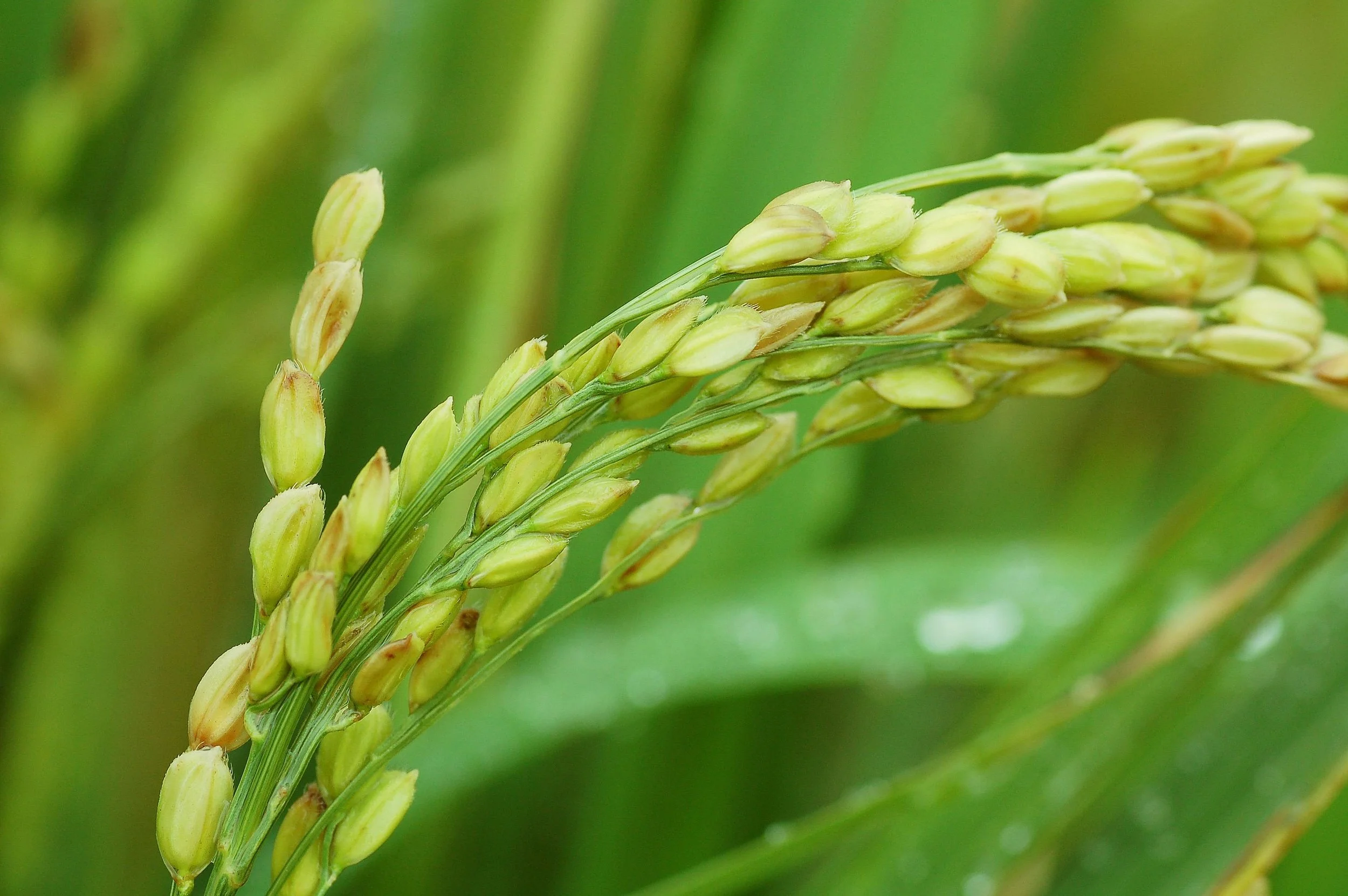


If we are struggling to imagine the future, it is already there before us — a future where essential proteins don’t strain our resources but work in harmony with the natural world.
The Conservatory Group has joined forces with new research transforming wheat and rice into protein-rich hybrid foods as part of an emerging trend to grow animal proteins inside of plants. Molecular farming has also been successful in making potatoes into a food that can produce egg proteins.
Although protein-rich crops might sound like a form of genetically modified food, these remarkable foods do not alter the DNA in plants or animals. Instead, the process is a type of cell-cultured or lab-grown meat but with the beef grown inside the plant. Where beef production usually takes one to three years, rice 105 to 150 days and wheat up to 10 months to harvest, the cell culturing process takes less than 10 days.
The hybrid grains have a low carbon footprint because there is no need to farm animals for protein. While the stem cells used for the process are extracted from live animals, they can proliferate indefinitely and don't require animal slaughter. Protein-enriched plants can contain as much as three times more protein than standard crops.
Why are protein-enriched plants important?
Habitat loss and land degradation driven primarily by our food system are a threat to wildlife, our climate and ecosystems. The industrial animal livestock sector is by far the largest driver of biodiversity loss and livestock farming is the leading driver of deforestation, with clearing of forests for land for cattle accounting for 42 percent of all deforestation. The production of farmed animals and the feed for them now occupies 80 percent of the world’s agricultural land yet provides just 17% of humans’ global calorie supply.
Multilateral development banks like the World Bank Group have made a series of commitments to protect nature, yet despite this the five biggest MDBs invested over $4.6 billion in factory farming between 2011 and 2021 and have shown no signs of reducing their spending since.
Intensive livestock farms fuel biodiversity and climate breakdown. We need to shift finance towards more sustainable forms of food production. New sources of protein are a unique opportunity to feed our rapidly growing global population while protecting the Earth’s ecosystems.